Global buyers are entering 2026 with higher expectations for quality, traceability, and regulatory clarity. Herbal Extracts are no longer judged by appearance alone. Buyers now examine botanical identity, extraction ratios, active markers, solvent residues, heavy metals, pesticides, and microbial results. A clear certificate of analysis helps, but it should not replace independent verification.
This guide introduces practical categories, including standardized turmeric, milk thistle, green tea, ginger, ginseng, and botanical blends. Each type serves different formulation needs, sourcing conditions, and market preferences. Standardized extracts offer measurable marker compounds, while full-spectrum extracts may preserve a broader botanical profile. The better choice depends on the product purpose, dosage format, stability requirements, and destination-country rules.
Details matter.
Experienced suppliers should provide Latin botanical names, plant parts, origin records, batch numbers, processing information, and storage guidance. Reliable documentation also supports responsible claims and reduces avoidable customs or compliance problems. Buyers should review applicable food, supplement, cosmetic, and labeling regulations before making commercial decisions. Requirements can differ sharply between the European Union, North America, Asia, and emerging markets.
No single extract is best everywhere. That assumption deserves review. A low-cost ingredient may become expensive after testing failures, inconsistent potency, or delayed clearance. Sustainability also requires attention, especially for slow-growing plants and regionally scarce materials. This overview is designed to support informed conversations with qualified manufacturers, laboratories, and regulatory professionals. It does not replace local legal advice or product-specific safety assessment.
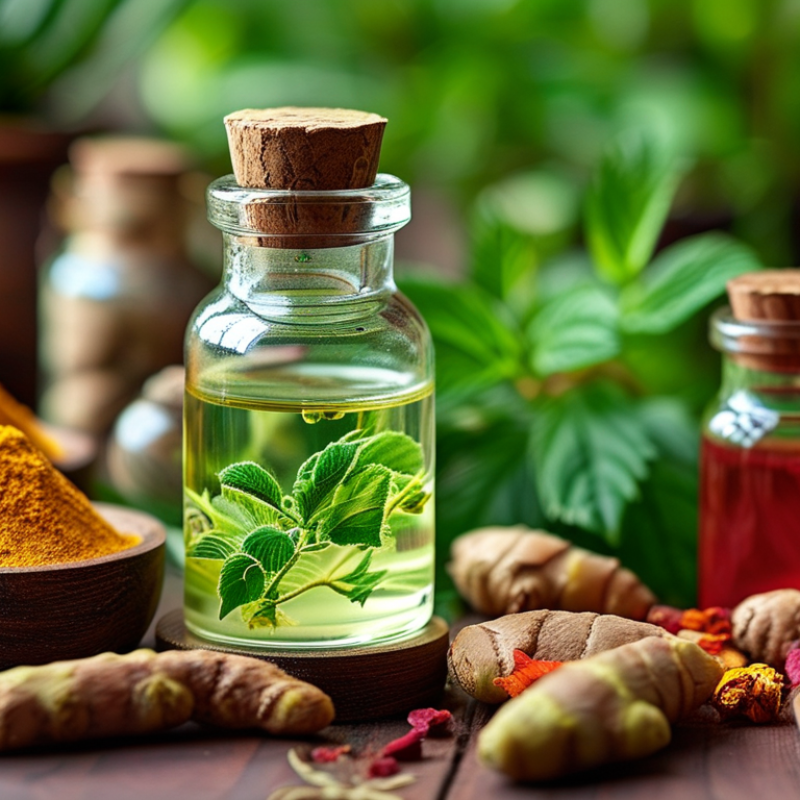
What Are Herbal Extracts and Why Do Global Buyers Choose Them?
Herbal extracts are concentrated preparations made from plant materials such as roots, leaves, flowers, or seeds. Manufacturers use water, ethanol, glycerin, or other permitted solvents to draw out selected compounds. The final extract may be liquid, powder, or a standardized form with a defined marker compound.
Global buyers choose extracts because they simplify formulation, storage, and transport. A small amount can provide a more consistent plant profile than raw herbs. Popular options include water-soluble extracts, powdered extracts, standardized extracts, and gentle glycerin extracts. The best choice depends on the product, target market, stability needs, and local regulations. “Natural” does not always mean suitable. Solubility, taste, color, moisture, and batch variation still matter.
Tips: Ask for the botanical name, plant part, extraction method, solvent details, ratio, marker compounds, and test results. Check identity, contaminants, microbiological limits, and shelf-life data. A clear certificate of analysis helps, but it should match the actual batch. Packaging also matters; moisture can quietly damage a fine powder. No extract is perfect. Some suppliers provide incomplete data, and buyers may need independent testing before approval. This extra step feels slow, yet it can prevent costly reformulation later.
2026 Best Types of Herbal Extracts for Global Buyers?
Herbal extracts are concentrated botanical preparations made by transferring selected plant compounds into a solvent. Global buyers often compare aqueous, hydroethanolic, ethanolic, ethyl acetate, and supercritical CO₂ extracts according to the polarity of their target compounds, intended application, regulatory requirements, and clean-label expectations.
The chart uses approximate Snyder solvent polarity index values. Higher polarity generally favors the extraction of more polar constituents such as sugars, organic acids, glycosides, and some polyphenols, while lower-polarity systems are more suitable for lipophilic compounds such as oils, terpenes, and waxes. Actual performance depends on the plant material, solvent ratio, temperature, time, and processing method.
Data reference: approximate Snyder solvent polarity index values commonly reported in chromatographic solvent-selection literature; values may vary slightly by reference and test conditions.
Which Types of Herbal Extracts Are Most Important in 2026?
In 2026, standardized herbal extracts remain highly important for global buyers. They provide a defined level of marker compounds in each batch. This supports consistent formulation, testing, and purchasing decisions. Buyers should request botanical identity, plant part, extraction method, and marker-compound data. A clear specification matters more than a fashionable ingredient name.
Water-soluble extracts are practical for teas, beverages, sachets, and powdered blends. They disperse more easily and can reduce sediment in finished products. Oil-soluble extracts suit capsules, soft gels, creams, and other lipid-based formulas. Powdered extracts offer easier storage and transport, while liquid extracts may support flexible dosing and quick processing. Yet, every format has trade-offs. Solubility is not the same as quality.
For many international projects, full-traceability extracts are becoming essential. Buyers increasingly examine harvest regions, supplier audits, pesticide results, heavy-metal testing, microbial limits, and residual-solvent reports. Extraction with water or food-grade ethanol may simplify compliance, but the final method still requires verification. Certification can help, but it cannot replace independent laboratory testing. Experienced teams also compare several batches, not only one attractive sample. This step often reveals variation in color, aroma, or marker levels. No extract is perfect. A sensible purchasing decision balances performance, documentation, cost, and the legal requirements of each destination market.
What Quality Standards Should International Buyers Evaluate?
For global buyers, herbal extract quality begins with identity, not attractive color. Request the botanical name, plant part, origin, harvest season, and extraction ratio. A supplier should provide a traceable batch code. Ask whether raw materials were authenticated by microscopy, chromatography, or DNA testing. Use more than one method when adulteration risks are high. It matters. Extraction methods change chemical profiles. Water, ethanol, glycerin, and other permitted solvents leave different fingerprints.
Evaluate a current certificate of analysis for every commercial batch, not only a laboratory sample. It should show marker compounds, assay limits, moisture, ash, microbiological results, heavy metals, pesticide residues, and residual solvents. Test methods should reference recognized pharmacopeial or validated procedures. Look for laboratory accreditation and clear detection limits. “Pass” alone is weak evidence. Review the full numerical results. Packaging should protect against light, oxygen, heat, and moisture. Stability data should support the proposed shelf life during realistic shipping conditions.
Reliable exporters maintain supplier qualification, deviation records, change control, and recall procedures. Good manufacturing practice should cover cleaning, hygiene, equipment calibration, and contamination prevention. Buyers also need export documents, allergen statements, non-GMO declarations where relevant, and market-specific compliance reviews. Requirements differ across countries. Do not assume one dossier travels everywhere. During audits, compare records with the physical warehouse and retain a sealed reference sample. Small inconsistencies deserve attention, such as a harvest date conflicting with the batch timeline. They may be harmless. They may not. Ask precise questions, document answers, and approve only evidence that can be independently checked.
2026 Best Types of Herbal Extracts for Global Buyers? - What Quality Standards Should International Buyers Evaluate?
| Herbal Extract Type |
Common Botanical Source |
Commonly Standardized Marker |
Typical Commercial Specification |
Key Buyer Quality Checks |
Main International Applications |
Buyer Risk Level |
| Turmeric Extract |
Curcuma longa rhizome |
Total curcuminoids |
Often 90–95% in concentrated extracts; lower levels are also commercially available |
Botanical identity by HPTLC or DNA testing; curcuminoid assay by HPLC; lead, arsenic, cadmium, mercury; pesticide residues; residual solvents; adulteration with synthetic dyes |
Food supplements, functional foods, beverage powders and personal-care formulations |
Medium |
| Green Tea Extract |
Camellia sinensis leaves |
Total catechins, EGCG and caffeine |
Commonly specified by total polyphenols or catechins; caffeine content should be separately declared |
Catechin profile by HPLC; caffeine level; moisture; pesticide residues; microbiological limits; control of oxidation and solvent residues |
Weight-management formulas, beverages, antioxidant products and cosmetics |
Medium |
| Ashwagandha Extract |
Withania somnifera root, or root and leaf |
Total withanolides |
Often standardized within approximately 2.5–10% total withanolides, depending on plant part and extraction method |
Clear declaration of root-only or root-and-leaf material; withanolide fingerprint by HPLC; alkaloid profile; heavy metals; pesticides; microbial testing |
Stress-support, sleep-support and sports-nutrition products |
High |
| Milk Thistle Extract |
Silybum marianum fruits |
Silymarin, including silybin |
Many standardized extracts specify approximately 70–80% silymarin |
Silymarin assay by HPLC; confirmation of fruit identity; moisture; aflatoxins; pesticide residues; heavy metals and residual solvents |
Liver-health supplements, botanical blends and nutraceutical products |
Medium |
| Ginseng Extract |
Panax ginseng root |
Total and individual ginsenosides |
Commercial extracts commonly specify approximately 5–20% total ginsenosides |
Species authentication; ginsenoside profile by HPLC; root age or harvest information where relevant; pesticides; heavy metals; microbial limits |
Energy, cognitive-support, immune-support and traditional herbal products |
Medium |
| Echinacea Extract |
Echinacea purpurea or Echinacea angustifolia |
Alkamides, caffeic-acid derivatives and/or polysaccharides |
Specification depends strongly on species, plant part and extraction solvent; no single universal marker percentage applies |
Correct species and plant part; chromatographic fingerprint; marker assay; microbial quality; pesticides; heavy metals and identity testing |
Seasonal wellness, throat products and immune-support formulations |
High |
| Ginkgo Biloba Extract |
Ginkgo biloba leaves |
Flavone glycosides and terpene lactones |
Well-defined extracts commonly target about 22–27% flavone glycosides and 5–7% terpene lactones, with controlled ginkgolic acids |
Dual-marker assay by HPLC; ginkgolic-acid limits; botanical identity; pesticides; heavy metals; microbial and residual-solvent testing |
Cognitive-support and circulation-related supplements |
High |
| Ginger Extract |
Zingiber officinale rhizome |
Gingerols and shogaols |
Common specifications range from approximately 5–20% gingerols or total pungent compounds, depending on extract type |
Gingerol/shogaol profile by HPLC; volatile-oil profile where applicable; aflatoxins; pesticides; heavy metals; microbial quality |
Digestive-health, motion-support, beverage and culinary supplement products |
Medium |
| Artichoke Leaf Extract |
Cynara scolymus leaves |
Caffeoylquinic acids, especially chlorogenic acid and cynarin |
Marker levels vary significantly according to leaf maturity and extraction conditions; a product-specific HPLC range is required |
Botanical identity; caffeoylquinic-acid fingerprint; pesticide residues; heavy metals; microbial limits; moisture and solvent residues |
Digestive and metabolic-health formulations |
Medium |
International Buyer Quality Evaluation Checklist
| Evaluation Dimension |
Minimum Evidence to Request |
Recommended Acceptance Approach |
| Botanical Identity |
Scientific name, plant part, country of origin, voucher or reference sample, and identity test |
Require macroscopic or microscopic examination plus HPTLC, HPLC fingerprinting or validated DNA testing where appropriate |
| Marker-Compound Assay |
Certificate of analysis showing the validated test method, specification and actual result |
Use HPLC, UHPLC, GC or another validated quantitative method that matches the declared marker |
| Contaminants |
Results for heavy metals, pesticides, aflatoxins, microbial counts and pathogens |
Evaluate against the legal limits of the destination market rather than relying only on the origin-country limits |
| Residual Solvents |
Extraction solvent declaration and residual-solvent test report |
Check compliance with applicable pharmacopoeial or regulatory solvent limits and confirm absence of undeclared solvents |
| Manufacturing Controls |
GMP or food-safety certificate, process flow, batch records and change-control procedure |
Prefer facilities operating under applicable GMP, HACCP or ISO 22000-based systems with traceable batch records |
| Traceability |
Lot number, harvest period, supplier records, country of origin and chain-of-custody documentation |
Require one-step-back and one-step-forward traceability, with retained samples for each batch |
| Stability and Packaging |
Shelf-life data, storage conditions, packaging specification and transport requirements |
Confirm protection from light, oxygen, heat and moisture; verify marker retention through the stated shelf life |
| Regulatory and Label Compliance |
Full specification, allergen statement, intended use, safety data and destination-market documentation |
Review ingredient status, permitted claims, dosage language and labeling requirements in every target market |
Note: Marker percentages are typical commercial specification ranges, not universal legal standards. Final acceptance criteria should be agreed in the purchase specification and verified against the regulations of the destination country.
How Can Buyers Select Reliable Herbal Extract Suppliers?
2026 Best Types of Herbal Extracts for Global Buyers
How Can Buyers Select Reliable Herbal Extract Suppliers?
Choosing an herbal extract supplier requires more than comparing prices. Buyers should verify botanical identity, plant part, extraction method, and concentration. A clear specification sheet should name the Latin species and declared marker compounds. This prevents confusion between similar plants.
Ask for recent certificates of analysis from an independent laboratory. Check microbial limits, heavy metals, pesticide residues, residual solvents, and moisture levels. Review batch numbers against packaging and delivery records. In supplier assessments, a factory visit can reveal practical details, such as clean storage areas, sealed drums, and controlled temperature logs. Certifications help, but they are not proof of every batch.
Tips: Request samples from several production lots. Compare color, odor, solubility, and test results. Ask how the supplier handles deviations and rejected materials. Confirm that documents support the destination market’s requirements, including labeling and permitted claims. Keep written records of every answer.
Reliable suppliers explain uncertainty instead of hiding it. No document set is perfect. I have seen impressive reports with weak traceability. Buyers should also review harvest season, origin, subcontractors, and shelf-life data. A supplier should provide stability evidence, not simply a convenient expiration date. Start with a small qualified order, then monitor consistency across shipments. Claims about health benefits need careful scientific and regulatory review. That step is often underestimated.
Conclusion
Herbal Extracts are concentrated plant-based ingredients valued by global buyers for their consistency, convenience, and wide application in food, beverages, cosmetics, wellness products, and supplements. In 2026, buyers are expected to focus on commonly used botanical extracts, including those derived from leaves, roots, flowers, fruits, seeds, and bark. These products may be supplied as powders, liquids, granules, or standardized concentrates, and can be classified by their botanical source, processing method, active compounds, and intended function.
When evaluating Herbal Extracts, international buyers should review identity, purity, potency, microbiological safety, contaminant control, traceability, shelf life, and documentation suitable for the destination market. Reliable supplier selection also requires clear specifications, consistent batch performance, transparent testing procedures, responsible sourcing, stable production capacity, and responsive communication. A careful comparison of quality systems, certificates, samples, packaging, logistics, and technical support can help buyers build dependable long-term supply relationships.

 Neo-Green Herbs