Best Herbal Granules Suppliers for Global Buyers?

Time:2026-05-22 Author:Sophia
0%

In the growing market of natural supplements, herbal granules stand out. As consumers increasingly seek out holistic health solutions, the demand for high-quality herbal granules has soared. Dr. Emily Chen, a renowned herbalist and expert in natural medicine, emphasizes, "The efficacy of herbal granules relies heavily on sourcing and processing." This statement underscores the importance of selecting trustworthy suppliers.

Global buyers navigate a complex landscape of herbal granules, where quality can vary significantly. It's essential to identify suppliers that meet rigorous standards. Factors like sourcing practices, ingredient purity, and production methods play pivotal roles in establishing product reliability. Manufacturers should be transparent in their processes, fostering trust with clients.

However, not all suppliers uphold these standards. Buyers must conduct thorough research to avoid subpar products. The herbal granules industry is rife with inconsistencies, making it crucial to seek certified and reputable suppliers. By prioritizing quality, we can ensure that herbal granules delivered worldwide meet consumer expectations and fulfill their intended health benefits.
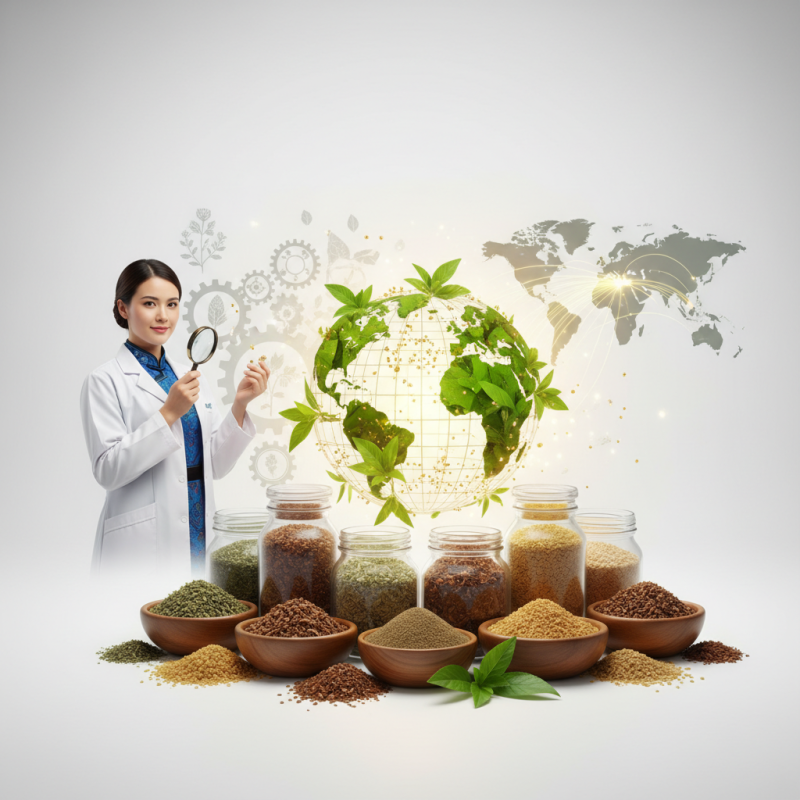
Best Herbal Granules Suppliers for Global Buyers?

Top Considerations for Choosing Herbal Granules Suppliers

When choosing herbal granules suppliers, reliability and quality are paramount. Look for suppliers who have a proven track record in the industry. Research their history and experience. Check if they source their herbs from trusted farms. This ensures that you receive high-quality products.

Tips: Verify certifications. Suppliers should provide relevant certifications, ensuring their products meet industry standards. A reliable supplier will be transparent about their quality assurance processes.

Consider the range of products offered. A supplier with a diverse catalog shows their expertise. However, not every supplier will meet your specific needs. Some may excel in certain herbal categories, while others may not. Reflect on your requirements carefully.

Tips: Ask for samples. Before committing to a large order, request samples to test product quality. This step can save you from potential disappointments later.

Key Certifications and Standards for Herbal Granules Suppliers

When searching for herbal granules suppliers, it’s crucial to understand the importance of certifications and standards. Key certifications ensure that suppliers meet quality and safety requirements. Common certifications include GMP (Good Manufacturing Practices) and ISO (International Organization for Standardization) standards. These credentials assure buyers of consistent product quality.

Tips: Verify if suppliers have up-to-date certifications. This can save potential issues down the line. An unverified supplier may compromise product safety.

Additionally, a reliable supplier often adheres to organic certifications. These indicate that the herbs were grown without harmful pesticides. Consider suppliers that prioritize sustainable practices. Their commitment reflects in product quality and environmental responsibility.

Tips: Always request documentation of certifications. This step adds a layer of confidence in your purchasing decisions. It helps establish a trustworthy relationship with suppliers. Remember, not all suppliers communicate their standards clearly. Be proactive in your research.

Leading Countries for Herbal Granules Production and Export

The global herbal granules market continues to grow, with notable contributions from key countries. India remains a dominant player, producing over 80% of the world's herbal raw materials. Reports estimate that India’s export value of herbal products reached approximately $500 million in 2022, showcasing its vital role in the global supply chain.

China follows closely, known for its extensive range of herbal offerings. The country exported herbal products worth around $400 million last year. The diverse climate and rich biodiversity contribute to China’s success. However, challenges such as quality control and compliance with international standards persist.

Other countries, like Germany and the United States, are emerging as significant contributors. They focus on quality over quantity, emphasizing organic and sustainably sourced ingredients. Recent trends show a rising demand for ethically-produced herbal granules, pushing these nations to innovate. Nonetheless, some suppliers still struggle with certifications and meeting global health regulations.

Comparative Analysis of Pricing Among Global Suppliers

The landscape of herbal granules suppliers is diverse, with various pricing strategies in play. Buyers often encounter significant price differences depending on the origin of the granules. Suppliers from different geographic regions, such as Asia or Europe, may offer varying costs based on local production practices and availability. Understanding these factors is crucial for buyers seeking quality products at competitive prices.

Research shows that some suppliers may charge higher prices due to premium branding or claimed superior quality. However, price does not always equate to quality. It's essential for buyers to evaluate the reputation of suppliers, review customer feedback, and consider production methods. Some suppliers also maintain transparency in their pricing structures, which adds a layer of trust.

Buyers should be cautious of suppliers with prices significantly lower than the market average. This could indicate potential issues with quality or sourcing practices. It is wise to request samples before making large orders. A thorough analysis of pricing models combined with supplier reliability will lead to informed purchasing decisions.

Comparative Analysis of Pricing Among Global Herbal Granules Suppliers

Trends and Innovations in the Herbal Granules Market

The herbal granules market is experiencing significant trends and innovations. Increasing demand for natural ingredients drives suppliers to enhance product quality. Buyers seek reliable sources that prioritize sustainability. The shift towards herbal products reflects a growing consumer preference for natural over synthetic. Suppliers must adapt quickly to this evolving landscape.

Incorporating advanced technology in production is crucial. Innovations in extraction methods improve potency and effectiveness. Automation can streamline processes, reducing costs and increasing efficiency. However, this transition may challenge traditional practices. Balancing modernity with heritage is essential to maintain credibility.

Tips: Always verify supplier credentials. Reliable sources often have certifications. Check for transparency in sourcing methods. Establishing a relationship with suppliers can foster trust. Regular communication is vital as market trends change frequently. This proactive approach minimizes risks. Effectively navigating the herbal granules market requires diligence and adaptability.

FAQS

: Which country produces the most herbal raw materials?

: India produces over 80% of the world's herbal raw materials.

How much did India's herbal product exports reach in 2022?

India’s export value of herbal products was around $500 million in 2022.

What is China's role in the herbal products market?

China exported herbal products worth approximately $400 million last year, showcasing its diverse offerings.

What challenges does China face in herbal product exports?

China struggles with quality control and compliance with international standards.

What do Germany and the United States focus on in the herbal market?

They emphasize quality, using organic and sustainably sourced ingredients.

What recent trend is affecting herbal granule production?

There is a rising demand for ethically-produced herbal granules.

What factors influence the pricing of herbal granules?

Geographic origin, production practices, and local availability affect herbal granule pricing.

How should buyers evaluate suppliers' prices?

Buyers should consider reputation, customer feedback, and production methods alongside pricing.

What should buyers do if a supplier's price seems too low?

Be cautious, as low prices may indicate quality or sourcing issues. Request samples before ordering.

Can higher prices guarantee better quality in herbal products?

No, higher prices do not always mean superior quality, so thorough evaluation is essential.

Conclusion

When selecting suppliers for Herbal Granules, buyers should consider several key factors, such as the supplier's reliability, quality assurance practices, and production capabilities. Important certifications and adherence to industry standards greatly influence supplier credibility and product safety. Countries known for their robust herbal production, like India and China, lead the market in both production and export of Herbal Granules, affecting global supply chains.

Additionally, a comparative analysis of pricing among global suppliers reveals significant variations influenced by factors such as raw material availability and market demand. Emerging trends highlight innovations in processing techniques and sustainable sourcing, shaping the future of the Herbal Granules market. These considerations are essential for buyers looking to make informed decisions in this growing industry.

Sophia

Sophia

Sophia is a dedicated marketing professional with an exceptional depth of knowledge about her company's products and services. With a keen understanding of market trends and customer needs, she crafts insightful blog posts that not only inform but also engage readers, enriching the company’s online......